
Fair cash payouts for surge claims.
Why cash settlements during surge events need more support
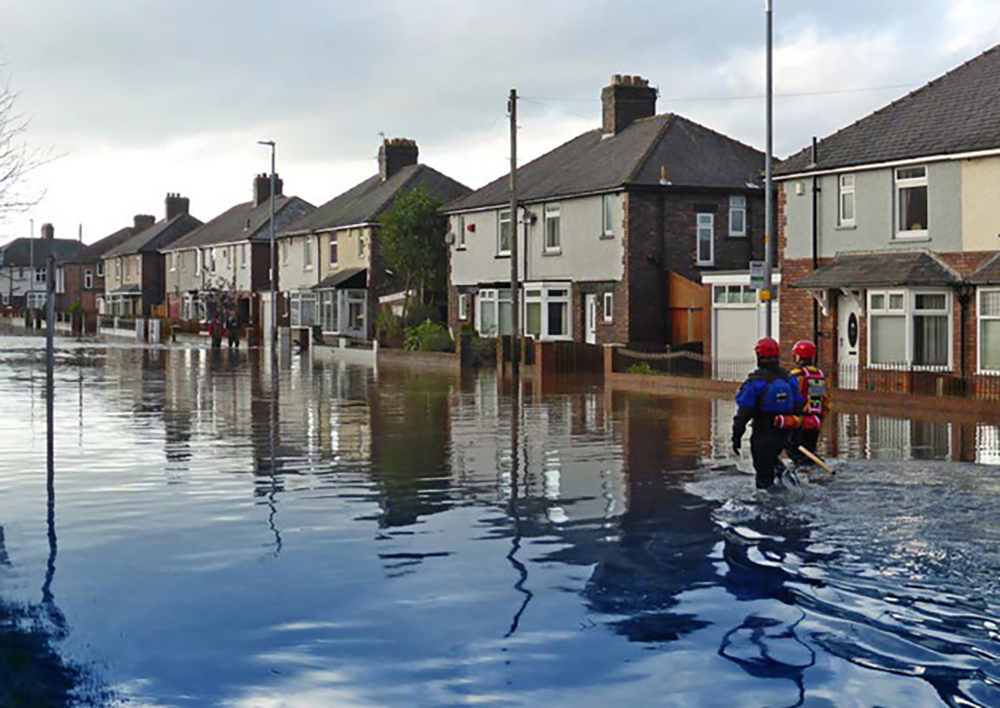
As we enjoy some April sunshine it’s worth remembering that extreme weather is no longer an exception. Storms, floods and freezes now create regular surge events that place intense pressure on claims operations and repair markets alike.
To maintain momentum, cash settlements are often a practical solution. They provide speed and flexibility when contractor capacity is stretched. In surge conditions, insurers’ cash settlement figures are often based on pricing that lags rapidly shifting market rates, and may be issued without a full on‑site assessment, increasing the risk that settlements fail to reflect the true cost of reinstatement. This not only undermines customer confidence at the decision point but can also lead to after‑the‑event reviews when the settlement proves insufficient in practice.
When repair costs are rising and availability is limited, customers are asked to make high‑impact decisions quickly, often while dealing with disruption, stress or financial strain. Even technically sound settlements can feel difficult to commit to if the practical implications are unclear.
Regulatory expectations have evolved in response. Good claims outcomes are no longer judged solely on speed or correctness, but on whether customers understand the options available to them and the consequences of their decisions. A settlement only delivers a good outcome if it works in practice.
Loss Recovery Insurance addresses this challenge without interfering in claims handling. It sits alongside existing insurer, MGA and TPA models, providing independent support to help customers understand the scope of damage, assess whether a cash settlement reflects realistic reinstatement costs, and make informed decisions with confidence.
By reducing uncertainty at the decision point, LRI improves acceptance, lowers friction and supports more sustainable outcomes, particularly during surge events where pressure is highest.
As extreme weather becomes more frequent, the gap between settlement speed and customer understanding will continue to grow. Supporting confidence at claim time is no longer optional. It is central to delivering outcomes that are not just settled, but trusted.
.